
Forty-three hours. Let that sink in for a second.
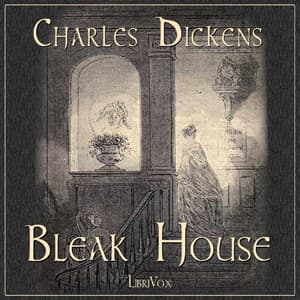
That's literally longer than a full work week. I listened to this entire recording of Bleak House while grading a mountain of sophomore essays on The Great Gatsby (which, ironically, my students also think is too long at five hours), and I still had ten hours of Dickens left over when I finished the grades.
So if you're committing to this, you're not just buying an audiobook—you're entering a relationship.
The Voice in the Fog
Here's the deal with Cynthia Lyons. She isn't an actor performing a one-woman show. She's a reader. And there's a massive difference.
I usually preach that narration is performance art—I want the growls, the whispers, the dramatic pauses that make you look weird while walking down the street. Cynthia doesn't really do that. Her style is incredibly straightforward. Clear, enunciated, and—frankly—a bit monotonous.
For a book this dense, that cuts both ways. On one hand, she gets out of the way. She lets Dickens' prose do the heavy lifting. You hear the words exactly as they are on the page, which, as an English teacher, I kind of appreciate. There's no ego here.
On the other hand? Forty-three hours of a consistent, steady pace can start to feel like a lullaby. I found myself zoning out during the long descriptions of the London fog and having to rewind. (Don't tell Principal Martinez, but I might have dozed off for five minutes during the Chancery scenes. Though to be fair, the Chancery scenes are designed to put you to sleep—Dickens was a genius like that.)
Two Narrators, One Voice
Bleak House is famous for having two distinct narrative voices: the bright, slightly cloying first-person voice of Esther Summerson, and the dark, cynical, present-tense voice of the Omniscient Narrator.
This is where the "straightforward" style hurts a little. A top-tier narrator (like a Miriam Margolyes type) would make these two sound like completely different people. With Lyons, the distinction is subtle. Sometimes too subtle. You have to pay attention to the text to know who's talking, rather than relying on the voice acting cues.
If you're a purist who thinks audiobooks are "cheating" because the actor interprets too much, you'll actually love this. It's the closest thing to reading with your eyes. But if you need a performance to keep you awake during a commute? This might be a struggle.
My Grade Book Says...
Look, this is a LibriVox recording. It feels vintage. It lacks the polish of a Penguin Audio production where they edit out every breath. But there's something charming about it. It feels like a very patient aunt reading to you by a fire.
If you're studying the text and need to hear the rhythm of the sentences to understand the syntax (which, let's be real, is why half of you are here), this version is solid. Clean. Accurate. Perfect for close reading with your ears.
But if you're looking for entertainment to get you through a treadmill run? You might want to find a version with a bit more theatrical punch. Skip this one if you zone out easily or need vocal fireworks to stay engaged. I stuck with it because I'm stubborn and I love the book, but I definitely bumped the speed up to 1.25x. If you want a Dickens novel that moves a bit faster, Pickwick Papers has more energy and less fog—though it's still plenty long. Dickens was paid by the word, but we don't have to listen at the speed of 1853.