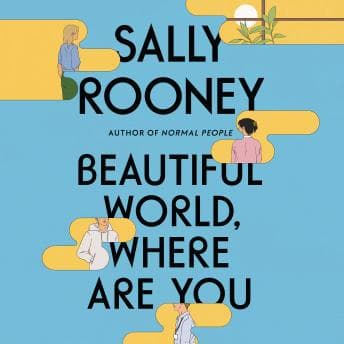

I spend my days trying to get 17-year-olds to care about The Great Gatsby, so I usually have a pretty high tolerance for wealthy people being sad and beautiful. But I'll be honest—I went into this one ready to roll my eyes. The hype around Sally Rooney is loud. My AP English students treat her like she invented the novel. So I put this on while grading a stack of particularly disastrous essays on Hamlet, fully expecting to hate it.
I didn't.
Actually, I kind of loved it. But—and this is a big but—I think I only loved it because I listened to it. If I had to read these pages with my eyeballs, the emails between Alice and Eileen might've killed me.
The Voice That Saved Me From the "Skip" Button
Let's talk about Aoife McMahon. (I had to look up the spelling, but the voice? Unforgettable.)
There's a specific cadence to Irish speech that's basically music. It turns the mundane into poetry. McMahon understands this. She takes Rooney's dialogue—stripped back, almost clinically dry on the page—and injects it with actual blood and heat.
She does this thing with the pacing. Rooney writes these long, philosophical email exchanges between the two main characters where they talk about the collapse of civilization, the Bronze Age, and climate change. On paper, it looks pretentious. Like a grad student trying too hard at a party. But McMahon reads them with this weary, desperate tenderness that makes you realize: Oh, they aren't showing off. They're terrified.
She manages to make the male characters, Felix and Simon, sound distinct without doing that cartoonish "man voice" some narrators do. Simon sounds gentle; Felix sounds prickly. It's subtle. It's performance art. My wife Denise caught me sitting in the driveway for ten minutes after I got home because I couldn't stop listening to a scene where literally nothing happened except four people eating dinner.
The Chekhov Problem (With More Texting)
Here's the thing about this book. It's frustrating. The characters—Alice, Felix, Eileen, Simon—are messy. They communicate badly while talking constantly. Reminds me of Chekhov, honestly. Everyone is talking, no one is listening, and life is just slipping by.
There's a lot of sex. (Don't listen to this one with the windows down at a stoplight. Trust me.) But the sex feels... sad? Or searching? It's not just there for shock value. It's these characters trying to feel real in a world they think is ending.
I know some people hate the lack of a driving plot. I get it. If you want a thriller, go buy a thriller. This is a book about the spaces between the big moments. It's about being thirty, looking around, and asking, "Is this it?"
As someone who watches teenagers grapple with the future every day, this hit a nerve. It captures that specific modern anxiety—the feeling that we're standing in the "last lighted room"—better than anything I've read in years.
Who This Is (and Isn't) For
Skip this if you need plot momentum or if philosophical email exchanges make you want to throw things. But if you've ever stared at your ceiling at 2 a.m. wondering whether personal happiness matters when the world's on fire? This one's for you.
Mr. Williams's Office Hours
My mother would hate this book. She'd say nothing happens and the people are rude. She's not wrong. But she's also missing the point.
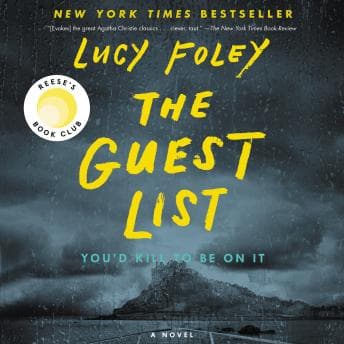
This is a novel about the beauty of trying to live when everything feels broken. And Aoife McMahon's narration is the glue holding the whole fragile thing together. She finds the warmth in Rooney's cool intellectualism. McMahon brings that same gift to Guest List: A Novel, where her voice turns a twisty thriller into something genuinely atmospheric.
I listened at my usual 1.0x speed because the rhythm here matters. Speed it up, you lose the melancholy. And frankly, the melancholy is the best part. It's not a happy listen, but it's a deeply human one. Worth ignoring the faculty meeting budget presentation for? Absolutely.