"You are reading this for a reason. Congratulations - you've been chosen."
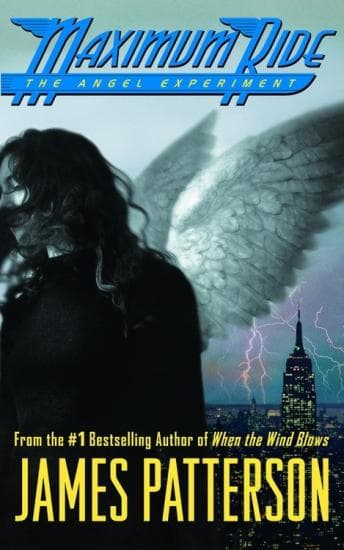
That line hit me somewhere around hour two, and I literally paused my game of Gloomhaven (solo campaign, don't judge me) to just sit with it. Because here's the thing about Maximum Ride that I don't think gets enough credit: Patterson basically wrote a D&D party of bird kids. Max is the reluctant party leader. Fang is the brooding rogue who communicates in monosyllables. Iggy is the blind character with a perception stat that somehow outclasses everyone else's. Nudge is the bard who won't stop talking. Gasman is the chaos goblin. And Angel - sweet, terrifying Angel - is a six-year-old with psychic powers who'd absolutely be the party's warlock.
I read this book when I was maybe thirteen, sitting in the back of my county library between D&D sessions. Coming back to it as an audiobook at 2 AM while procrastinating on my thesis? Different experience entirely.
Bird Kids vs. Wolf Men Is the Campaign Hook I Never Knew I Needed
Look, the critics who call this "an undeveloped comic book with fight scenes" aren't entirely wrong. Patterson writes in these short, punchy chapters - some are barely three pages - and the pacing is relentless. There's a rescue mission to Death Valley, a cross-country flight, Erasers (half-human, half-wolf enforcers that are basically lycanthropes with government funding) attacking in Central Park, a chase through the Manhattan subway system. It's a lot. That same breakneck urban-fantasy energy shows up in Hanging Tree, though with more procedural detective work mixed in. The magic system - well, the science system - is more vibes than Sanderson-level rigor. You've got genetically modified bird-human hybrids who can fly, and the book doesn't spend much time on the biomechanics of that. How do their hollow bones support combat? What's their caloric intake? (Patterson actually addresses the food thing, which I respect.)
But here's what the critics miss: Patterson understood something fundamental about YA adventure. The progression is satisfying. Max starts the book as a kid hiding in a mountain house with her found family, and by the end she's discovered she has a larger purpose - capital-D Destiny stuff. It's a classic zero-to-hero arc compressed into eight hours, and it works because Max's first-person voice is so immediate and sarcastic that you forgive the structural shortcuts.
Kasey Lee Huizinga Gets the Assignment
So the narrator situation here is interesting. Huizinga captures this specific thing about Max that's hard to nail - she's fourteen, she's tough, she's been through horrific experimentation, but she's also still a kid who worries about her family. There's a moment during the Angel rescue where Max is absolutely terrified but trying to hold it together for the younger kids, and Huizinga's voice does this subtle crack that just... yeah. Got me.
Her Fang is appropriately low and guarded. Her Nudge has this breathless, motor-mouth energy that's distinct without being annoying (which is a tightrope, because Nudge on the page can be A LOT). The Erasers sound threatening without going full cartoon villain. Some listeners have said the delivery can feel "a little too cavalier" during serious moments, and I can see that - there are a couple of fight scenes where the tone stays lighter than the violence warrants. But honestly, for a YA book with this much action, keeping things from getting too grim is probably the right call.
No sound effects, no music, just straight narration. At eight hours it's a quick listen. I burned through most of it during a late-night board game reorganization session (alphabetizing my shelf, very normal behavior) and finished the rest while pretending to review literature for my thesis.
Who Should Strap In (And Who Should Fly Past)
If you want hard sci-fi world-building with detailed explanations of avian genetics - this isn't for you (but you're wrong about needing that). If you want a fast, propulsive adventure with a found-family dynamic that hits like the best kind of chaotic D&D campaign, absolutely grab this. It's great for younger listeners - my D&D group would love this as a gateway into sci-fi/fantasy audiobooks. The content warnings are real (there's lab experimentation on children, violence, some genuinely dark implications about what the School does) but Patterson keeps the worst stuff off-screen.
This is a setup book. It establishes the flock, introduces the conspiracy, and ends with enough dangling threads to fuel six more novels plus a spinoff series. If cliffhangers bother you, be warned. If you're like me and treat series commitments like a long-running campaign - welcome to session one.
Roll Initiative
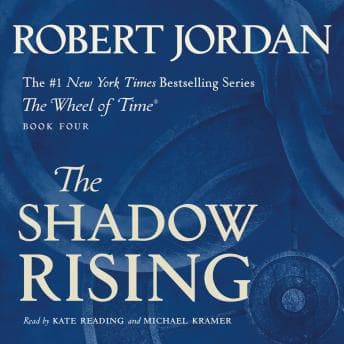
Is it Sanderson-level world-building? No. Speaking of Sanderson-level world-building, Lord of Chaos delivers that intricate magic system depth if you're craving something more complex after this. Is it a tightly plotted, perfectly paced adventure with characters you'll genuinely care about, delivered by a narrator who understands the assignment? Yes. I read this instead of writing my thesis, and I regret nothing. Patterson built something special with these bird kids, and Huizinga's performance makes it worth revisiting even if you already know the story. Eight hours well spent. Now if you'll excuse me, I have six more books in this series calling my name and a thesis that can wait another week.