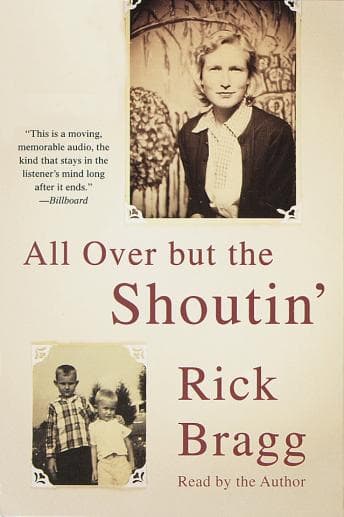

What happens when the person who shaped you never got shaped by anything but survival?
I was stirring dal at 11 PM—one of those elaborate solo cooking sessions that's really just procrastination from grading papers—when Rick Bragg started talking about his mother picking cotton so her boys wouldn't have to. And I just... stopped stirring. Stood there in my kitchen while the pot bubbled over because this man was describing a woman who went eighteen years without a new dress, and the way he said it—that Southern drawl catching on the word "years" like it still hurt him to count them.
The Psychology of Owing Everything to Someone
Here's what got me: Bragg's mother is a fascinating case study in what we'd call "invisible sacrifice." She doesn't ask for recognition. Doesn't keep score. She just works until her hands crack and her back gives out, and somehow raises sons who escape the cotton mills and the penitentiary both. The research actually shows that children of self-sacrificing parents often struggle with survivor's guilt, and Bragg? He's drowning in it. This entire memoir reads like a man trying to pay a debt he knows he can never settle.
Amy Schumer wrestles with a different but equally unresolvable kind of debt to her own origins in Girl with the Lower Back Tattoo—same raw accountability, different zip code.At just under three hours, this is a short listen—but honestly, that's the right length. Any longer and you'd need to emotionally recover. Bragg packs generational trauma, class consciousness, and fierce maternal love into a space most authors would use for setup alone.
When the Author IS the Narrator (And It Actually Works)
I'm usually skeptical of author-narrated memoirs. Writers aren't actors. But Bragg reading his own words? It hits different. That soothing Southern voice isn't performing—it's remembering. When he talks about his father, the hard-drinking man with the murderous temper who kept running out on them, you can hear the complicated mess of emotions a child carries into adulthood. Anger and longing and something that sounds almost like pity.
The production is straightforward—no music, no sound effects, just one man and a microphone. And that's exactly right. Adding anything would feel like putting a soundtrack over someone's therapy session.
What makes Bragg compelling as both author and subject—because he's examining his own psychology here—is his refusal to simplify. His mother is a saint but also stubborn to the point of self-destruction. His father is a monster but also a man shaped by forces Bragg can almost understand. This is the kind of character complexity that most fiction writers can't pull off, and Bragg does it with his actual family.
The Class Divide Nobody Talks About
I found myself asking: why does this memoir feel so urgent in 2024? And I think it's because Bragg is writing about a kind of American poverty that still exists but rarely gets this kind of literary attention. The dirt-poor South. The families where "welfare" is a dirty word even when you need it. The mothers who measure their worth in what their children don't have to suffer.
My therapist would have thoughts about Bragg's father specifically. The pattern of abandonment, the alcoholism, the violence. Bragg doesn't diagnose him, doesn't try to explain him away with psychology. He just shows you the man and lets you sit with the discomfort. That's harder than analysis. And more honest.
Who Should Listen (And Who Should Maybe Wait)
If you grew up with complicated parents—and who didn't, really—this will crack something open. If you're in a fragile emotional state, maybe save it for later. Content warnings for violence, abuse, and language are warranted. This isn't trauma porn, but it doesn't flinch either.
The short runtime makes it perfect for a focused listening session. Don't put this on during your commute and expect to function normally afterward. Dedicated time, comfortable chair, tissues within reach.
A Writer's Only Way of Saying Thank You
Bragg won a Pulitzer. He made it out. And this memoir is him looking back at the woman who made that possible and trying to say thank you in the only way a writer knows how—by making her story permanent. By making sure someone remembers.
He exhibits classic survivor's guilt, yes. But also something rarer: genuine humility. Bragg knows he got lucky. He knows plenty of smart kids from those Alabama hills ended up in the mills or the ground. And he's not pretending his talent alone saved him.
I finished the dal eventually. It was overcooked. Didn't matter. Some stories are worth a ruined dinner.









