
What if the most important lessons about survival, community, and knowing when to shut up came from a bird the size of your fist?
I was deep in thesis avoidance mode—like, aggressively avoiding it—when I stumbled across this little gem. Under two hours. Perfect for pretending I'm "taking a mental health break" while my advisor's emails pile up like unread quest logs. And honestly? Thornton W. Burgess wrote something here that scratches the same itch as a really good session zero for a nature-themed campaign.
The Old Briar Patch Has Lore Now
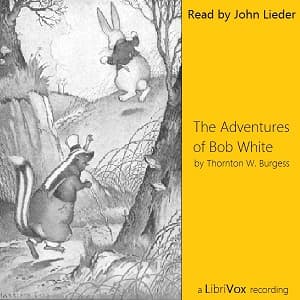
Look, I grew up playing D&D in a Georgia library, and one thing I've always appreciated is when a creator takes their setting seriously. Burgess does that here. The Green Meadows and Old Briar Patch aren't just backdrop—they're a functioning ecosystem with established residents, territorial boundaries, and social hierarchies. Bob White moves in near Peter Rabbit, and suddenly you've got faction dynamics. Who's an ally? Who's a threat? What are the local resources?
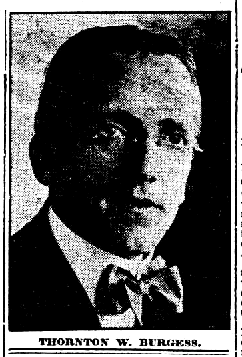
Burgess was a conservationist who wrote over 170 books and 15,000 stories across fifty years. Fifty years! The man was basically running a long-form campaign about woodland creatures. And you can feel that depth here. Bob White's nesting habits, his diet preferences, his specific survival strategies against predators—it's all grounded in real natural history, packaged as narrative. My D&D group would absolutely use this as reference material for a druid backstory.
Fire-Sticks and the Wisdom of Not Knowing Everything
Here's where Burgess gets unexpectedly philosophical. The book has this recurring thread about how sometimes ignorance is protective. Bob White learns that staying away from "two-legged creatures with fire-sticks" isn't just smart—it's essential. And there's this lesson about arithmetic being useful, which sounds boring until you realize it's about counting your enemies and knowing your odds.
For a kids' book from over a century ago, it's got surprisingly solid survival mechanics. Bob White isn't just cute—he's tactical. He protects his nest through misdirection. He knows his friends from his enemies. He understands threat assessment. This is basically a level 1 ranger tutorial disguised as bedtime reading.
John Lieder's LibriVox Delivery
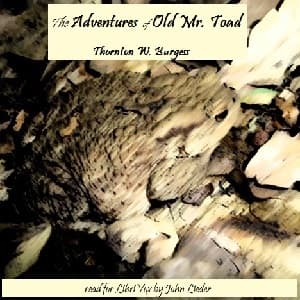
So here's the thing—this is a LibriVox recording, which means it's volunteer-produced and free. John Lieder reads it with the kind of earnest, straightforward delivery that works perfectly for the material. He's not doing elaborate character voices or dramatic flourishes. He's reading a children's nature story the way your favorite uncle might read it aloud on a summer evening.
Is it Steven Pacey? No. (Nothing is Steven Pacey.) But for what this is—a short, sweet introduction to one of America's most prolific children's authors—it does the job. Lieder brings that same understated reliability to Short Life of Abraham Lincoln, another LibriVox recording where his no-frills delivery actually serves the material better than a showier narrator would. The audio is clean, the pacing is gentle, and at 1 hour 42 minutes, it never overstays its welcome. I listened to the whole thing while "organizing my board game shelf" (read: moving boxes around and accomplishing nothing).
Who Should Venture Into the Green Meadows (And Who Should Stay Home)
Parents looking for screen-free content for little ones? This is your jam. The episodic structure means you can do a chapter at bedtime without losing narrative momentum. Kids who are into animals, nature, or asking "why" about everything will find a kindred spirit in Peter Rabbit's curiosity about his new neighbor.
But honestly, I'd also recommend this to any fantasy writer or game master who wants to see how a master handled animal POV storytelling. Burgess anthropomorphizes his creatures just enough to give them personality without losing their essential animal-ness. Bob White thinks like a bird who happens to have opinions. It's a tightrope walk that most modern writers stumble on.
Skip this if you need epic battles and complex magic systems. This is cozy, educational, and genuinely charming in that early-20th-century way that doesn't feel condescending.
Roll for Initiative (On Your Thesis, Tom)
Yeah, yeah, I know. I should be writing about procedural generation, not reviewing century-old children's audiobooks. But sometimes you need a palate cleanser. Something simple and good and true. Bob White's adventures delivered that in under two hours, and I came away with genuine appreciation for Burgess's craft.
The magic system is... well, there isn't one. But the world-building is chef's kiss. Nature's got its own rules, and Burgess knew them cold. For a free LibriVox listen that you can knock out in an afternoon, this is surprisingly satisfying. Now if you'll excuse me, I have emails to continue ignoring.