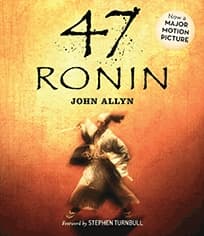

Three AM on the unit, charting done, one patient sleeping peacefully post-op, and I'm listening to samurai warriors plan revenge for two years while I eat cold leftover adobo from the break room. The juxtaposition was not lost on me.
I picked up 47 Ronin because Carlos has been on a Japanese history kick lately—watching documentaries, reading manga adaptations, the whole thing. He kept telling me about this story of loyalty and honor, and I figured the audiobook would give us something to talk about besides whose turn it is to pick up the kids from soccer.
When Patience Is the Weapon
Here's what got me about this story: these ronin waited. They didn't rush in, swords swinging, the moment their lord was forced to commit seppuku. They scattered. Became tradesmen. Teachers. Let their enemies think they'd given up. Some of them waited almost two years, living under constant surveillance, pretending to be broken men.
As someone who's actually worked a code where we did CPR for 45 minutes before calling it—I understand the weight of waiting. The discipline it takes to hold back when every instinct screams at you to act. John Allyn captures this tension well. The ronin aren't just biding time; they're carrying the weight of their dead lord's honor while pretending it doesn't exist. That psychological burden comes through on every page.
The historical accuracy here is refreshing. No supernatural nonsense, no Keanu Reeves fighting demons (Carlos made me watch that movie—I have opinions). This is the real story, or as close as we can get to it. Stephen Turnbull's foreword sets up the historical context, and you can feel his expertise throughout. The details about court politics, the rigid social hierarchy, the specific protocols around seppuku—it all rings true.
David Shih Earned That Earphones Award
The narrator carries seven and a half hours of Japanese names, court intrigue, and warrior philosophy without ever losing me. That's not nothing. David Shih's performance of the noble warriors is genuinely impressive—he conveys their determination but also their occasional misgivings, their moments of doubt. These aren't cardboard heroes. They're men who've lost everything and are gambling their lives on a plan that might fail.
What surprised me was his depiction of the women—particularly those working in pleasure houses who long for something more. He doesn't mock them or reduce them to stereotypes. There's dignity in how he voices their scenes, which I appreciated.
I will say—and this is minor—the pacing in the middle section requires attention. This isn't background listening material. When the ronin are scattered and living their cover stories, you need to track multiple threads. I rewound a few times during my drive home because my brain was still processing a difficult shift. Night shift approved, but maybe not for those nights when you're running on four hours of sleep and hospital coffee.
The Weight of Loyalty
My mom would love this. Not because of the violence (though there's plenty—content warning for some intense battle scenes and ritual suicide), but because of the family honor piece. The idea that your actions reflect on everyone who came before you and everyone who comes after. That's Filipino values wrapped in Japanese history, and it hit different at 4 AM. True Love explores that same weight of family expectations, though in a completely different context—less swords, more emotional baggage.
The ronin's final attack is methodical, not chaotic. They planned every detail. Assigned roles. Accounted for contingencies. It reads like the best kind of emergency protocol—everyone knows their job, everyone executes. When someone gets cut, they bleed. When they die, they die like real people, not movie extras.
Carlos asked why I was crying in the car after finishing this one. I blamed allergies. But honestly? The ending—watching these men achieve their goal knowing exactly what it will cost them—that's the kind of loyalty that doesn't exist anymore. Or maybe it does, just in smaller ways. In the nurse who stays past her shift because her patient is scared. In the husband who makes coffee before his wife gets home from nights.
Who's This For (And Who Should Skip)
This audiobook wants your full attention, and it rewards you for giving it. At 7.5 hours, it's a solid week of commutes or a couple of dedicated listening sessions. I'd recommend 1.0x speed—Shih's pacing is deliberate, and speeding it up loses some of the gravity.
Listen if you want the real 47 Ronin story without Hollywood nonsense. History buffs, people who appreciate slow-burn revenge plots, anyone who's ever had to wait for the right moment to act when everything in them wanted to move NOW. Skip if you need constant action—the middle section is necessary setup, but it's not flashy. Also skip if you're looking for something light. This is honor-and-death territory, not casual entertainment.
Clocking Out
I'm making Carlos listen to this next. He's going to love it. And then we'll finally have something to discuss besides whose turn it is for school pickup.









