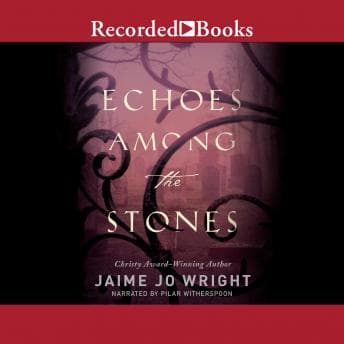

What do you do when grief won't let you go—when it follows you across decades, across timelines, across the veil between the living and the dead?
I started this one at 2 AM, couldn't sleep, Diego curled up on my chest like the furry little anchor he is. Frida was judging from the bookshelf. The apartment was that particular kind of quiet where you can hear your own heartbeat, and honestly? Perfect conditions for a book about sisters, loss, and graves that won't stay silent.
Two Women, One Wound That Won't Close
Jaime Jo Wright does this thing where she braids two timelines together—Aggie in the present, dealing with her own career implosion and her increasingly eccentric grandmother, and Imogene in 1946, watching her world shatter when she finds her sister's body in the attic. And here's the thing that got me: these aren't just parallel mysteries. They're parallel griefs. The way Wright writes loss—not as something you move past but something that reshapes you entirely—hit me somewhere I wasn't expecting.
Mumsie recreating an old crime scene in a dollhouse? That detail is so specific, so strange, so *human*. Grief makes us do bizarre things. My abuela kept my grandfather's reading glasses on his pillow for three years after he passed. We don't process loss in straight lines.
The cemetery restoration plotline could've felt gimmicky, but there's something almost tender about it—Aggie literally exhuming the past while trying to bury her own failures. The attractive archeologist is there (because of course he is, and I'm not complaining), but the real romance is between Aggie and the truth she's been running from.
Pilar Witherspoon's Voice Is Doing Heavy Lifting
Okay, so here's where it gets interesting. Pilar Witherspoon's narration is... polarizing? I've seen listeners who adored her work on Wright's earlier books feel lukewarm here, and I kind of get it—but I also kind of don't.
What worked for me: there's this male character with what reviewers keep calling a "fun and bright" accent, and honestly, it *is* fun. In a book dealing with death and cold cases and generational trauma, that little spark of liveliness keeps you from drowning in the heaviness. Witherspoon's emotional delivery during the grief scenes landed for me—there's this quality in her voice that feels like she's holding back tears, and as someone who ugly-cried at least twice during this listen, I appreciated the company.
What might not work for everyone: if you fell in love with her voice in Wright's other books, this one asks her to do something slightly different. Witherspoon handled a similarly demanding emotional range in Marry Me By Sundown, though that book asked less of her structurally—which might be why some listeners found her more settled there. The dual timeline means she's constantly shifting between eras, between characters, between emotional registers. It's a lot. Sometimes you can feel the seams.
This Is Not Background Listening
I tried to design while listening to this. Bad idea. The mystery threads require actual attention—who's connected to whom, what happened in 1946 versus what's happening now, why certain names keep echoing across decades. I had to rewind twice because I got distracted by a client email and completely lost the plot thread.
This is a "driving with no podcasts" book. A "waiting room with nothing else to do" book. A "can't sleep anyway so might as well commit" book.
The pacing is deliberate—12+ hours means Wright is taking her time building atmosphere, layering clues, letting you sit with the characters' pain. If you need constant action, you'll get restless. If you want to marinate in mood and mystery, you'll be fed.
Who This Is For (And Who Should Scroll Past)
You'll love this if: you're into Christian fiction that doesn't shy away from darkness, dual-timeline mysteries that reward patience, or stories about women refusing to let injustice stay buried. If you've ever lost someone and found yourself doing something irrational to keep them close—this book sees you.
Maybe skip if: you need your mysteries fast and your faith content subtle. The spiritual themes are woven throughout, not just sprinkled on top. And if narrator voice is make-or-break for you, sample first—Witherspoon's interpretation here isn't universally beloved.
Abuela Would've Clutched Her Rosary
The faith elements in this book are earnest in a way that would've made my grandmother nod approvingly. There's a grace-filled approach to grief here—not "everything happens for a reason" platitudes, but something messier and more honest. The idea that healing doesn't mean forgetting, that justice matters even when it comes decades late, that love leaves echoes.
My heart. MY HEART.
I finished at 4:47 AM. Diego had migrated to my feet. Frida was still judging. And I was thinking about all the stories that never get solved, all the sisters who never get answers, all the grandmothers who carry mysteries to their graves.
This book felt like sitting in a cemetery at dusk—quiet, heavy, strangely peaceful. Not for everyone. But for the right listener? It lingers.