
"Solitude Deprivation."
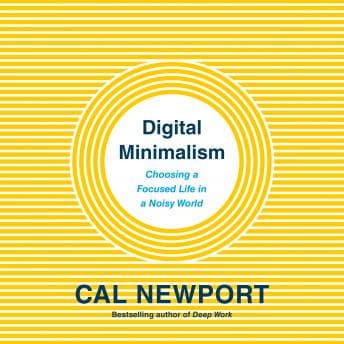
That's the phrase that stopped me cold around Chapter 3. Cal Newport defines it as a state where you spend close to zero time alone with your own thoughts and free from input from other minds.
I paused the audio. I looked at my phone. I looked at the podcast queue I had lined up for my drive home. I realized I haven't had a single original thought in three years that wasn't a reaction to a notification or an email.
(Jenny would say this explains why I'm so irritable on Sundays. She's not wrong.)
THE ROI ON YOUR ATTENTION SPAN
Look, I've read—sorry, consumed—pretty much every productivity book since Getting Things Done. Most of them are fluff. They tell you to wake up at 4 AM and drink cold water. This isn't that.
Newport is basically the McKinsey consultant of your personal life. He doesn't just say "phones are bad." That's lazy. He argues that we're sliding into a life of reaction rather than intention. The core of the book is this 30-day "digital declutter." It's an audit. You strip everything away and only add back the tech that actually serves a high-value purpose.
This hit home. My parents ran a dry cleaning business in K-Town without a single Slack notification. They were stressed, sure, but they were present. When they were at church, they were at church. When I'm at dinner with my wife, I'm mentally drafting a reply to a client who honestly doesn't need to hear from me until Monday.
Newport's argument is purely economic: Your attention is a limited resource. Are you investing it or just letting Silicon Valley loot it? The logic is sound. Brutally sound.
WILL DAMRON AT 2.0X HITS DIFFERENT
Cal Newport reads the intro himself, which I always appreciate. It shows skin in the game. He sounds urgent, sincere—like he's trying to save you from a burning building.
Then he hands the baton to Will Damron for the rest of the book.
Damron is... soothing. Like, "yoga instructor telling you to release tension in your jaw" soothing. For a book about slowing down, it fits. But let's be real—I'm wired on espresso and anxiety. I couldn't handle the zen pacing at 1.0x.
I bumped Damron up to 2.0x immediately. At that speed, he sounds like a smart colleague giving you a rapid-fire briefing before a board meeting. Way better. He's clear, professional, and doesn't do any weird character voices for the quotes (thank god). Just straight delivery.
One warning though: There's a lot of talk about Amish farmers and Thoreau. If you're allergic to anecdotes about people living in cabins, you might roll your eyes. But stick with it. The underlying framework holds up even if you plan to keep living in a city with Wi-Fi.
WHO GETS VALUE HERE (AND WHO WON'T)
If you feel like your brain has turned into a slot machine for Mark Zuckerberg, this is the manual to fix it. Skip it if you're looking for quick hacks or already have a healthy relationship with your phone—this is for people ready to do the 30-day audit, not just nod along.
CLOSING THE LAPTOP
I finished this on a Tuesday. On Wednesday, I deleted Twitter and Instagram from my phone.
(I kept LinkedIn. I'm a minimalist, not a monk.)
Most business books I listen to are background noise while I clear my inbox. This one actually made me close the laptop. Dare to Lead had a similar effect on me—forced me to stop multitasking and actually sit with the discomfort. It respects your time by telling you how to get it back.
Just make sure you actually do the work. Listening to the book doesn't count as decluttering. Trust me, I tried explaining that logic to Jenny. It didn't fly.